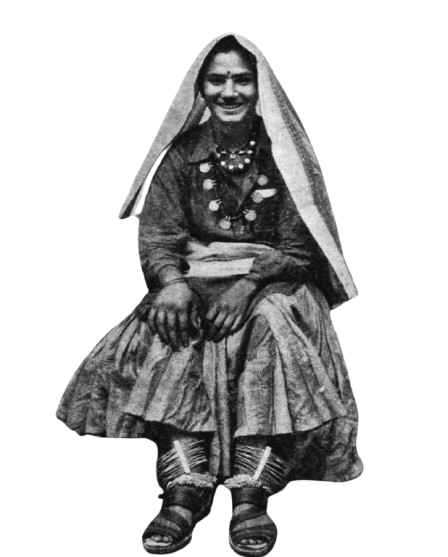
“बुज़ुर्ग लोग बताया करते थे कि दिल्ली और महरौली जब भी एक हुए, इस शहर का पतन हो गया। दोनों में ही उजड़ गया।.. सत्रह बार पहले यह हो चुका सै। इब दिल्ली फिर महरौली की तरफ बढ़ रही सै, बेर सराय, शाहपुर और खिड़की गाँव तक तो पहुँच गई सै...।”— Mutthi Bhar Kaankar by Jagdish Chandra
About Us
Delhi has always carried many lives at once. Long before flyovers and glass towers, it grew through people who arrived, stayed, and slowly made it their own. Mayur Vihar, Chittaranjan Park, Majnu Ka Tilla, Punjabi Bagh, Karol Bagh, Rajender Nagar, Dilshad Garden, Greater Kailash — each reflects a journey of settlement and belonging.
Yet beneath these neighbourhoods lie older villages: lands once tilled, inherited, and nurtured by local communities long before cafés, campuses, and colonies came up. As the city expanded, the memory of whose fields once stood there quietly faded.
The Dilli Dehat Project was born from a simple yet urgent belief: that Delhi’s villages are not relics of the past, but an inseparable part of the city’s living history. Founded by Puneet Singh Singhal, Gagandeep Singh Khadar (Bidhuri), and Parth Shokeen, the initiative documents the rural landscapes, memories, and communities that continue to exist beneath Delhi’s rapidly expanding urban fabric.
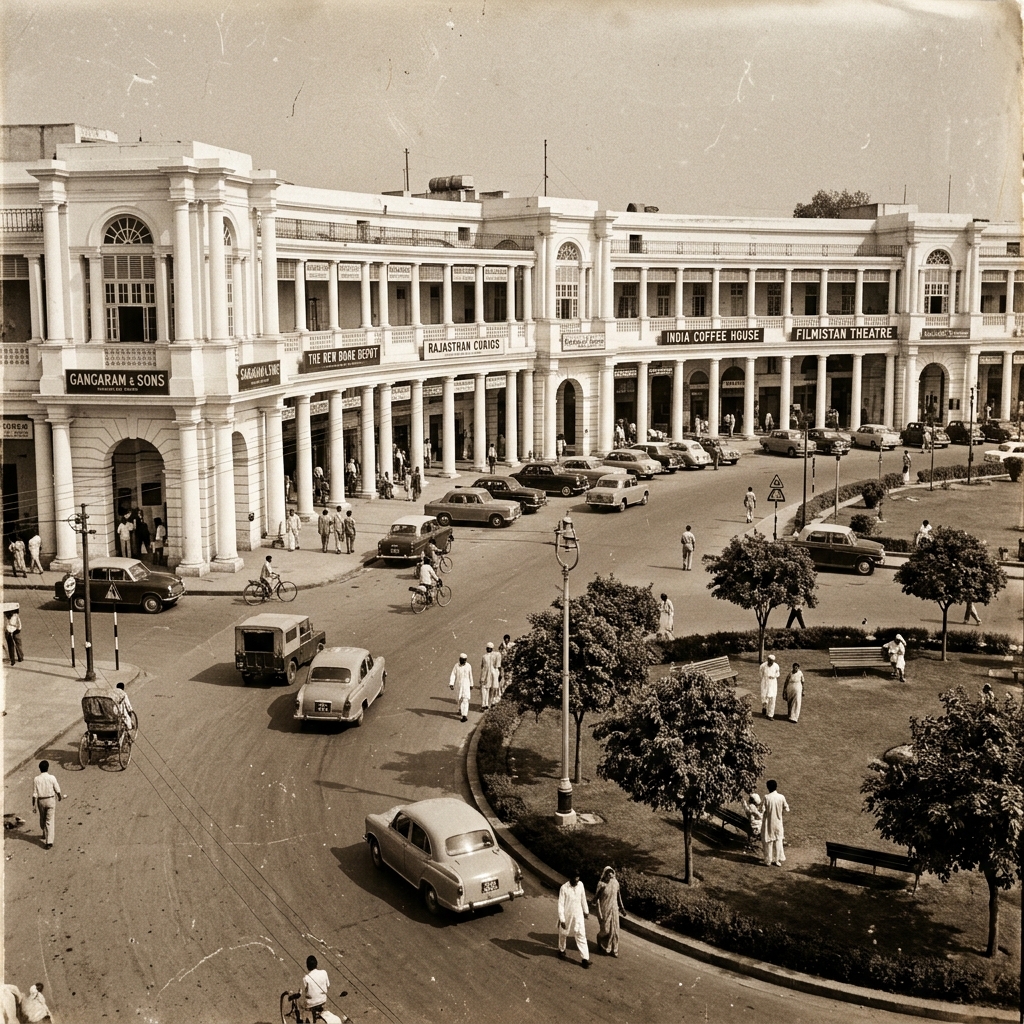
Our Core Vision
At its core, the project is not just about nostalgia. It is about reclaiming space, memory, and authorship. It seeks to centre the voices of communities whose stories are frequently overlooked while also building a shared understanding of how caste, land, labour, migration, and urbanisation intersect in shaping the city.
From chaupals and johads to kuldevis and ridge commons, the project captures what often remains invisible in mainstream narratives of Delhi.
Community Engagement & Impact
What began as an online effort has since grown into a community of nearly 70,000 people. Through digital archives, public exhibitions, research, and collaborations, Dilli Dehat contributes to reimagining Delhi as not just a city of migrants, but also a city of villages.
The project has been featured by The Patriot, ThePrint, The Quint, The Times of India, Hindustan Times, BBC, and The New Indian Express, and mentioned on platforms like Puliyabaazi and Khabargaon. Through collaborations with Cities and Memory, City Sabha, and Dr. B. R. Ambedkar University Delhi, we continue bringing Delhi’s overlooked village histories into the public conversation.
Our Team Members
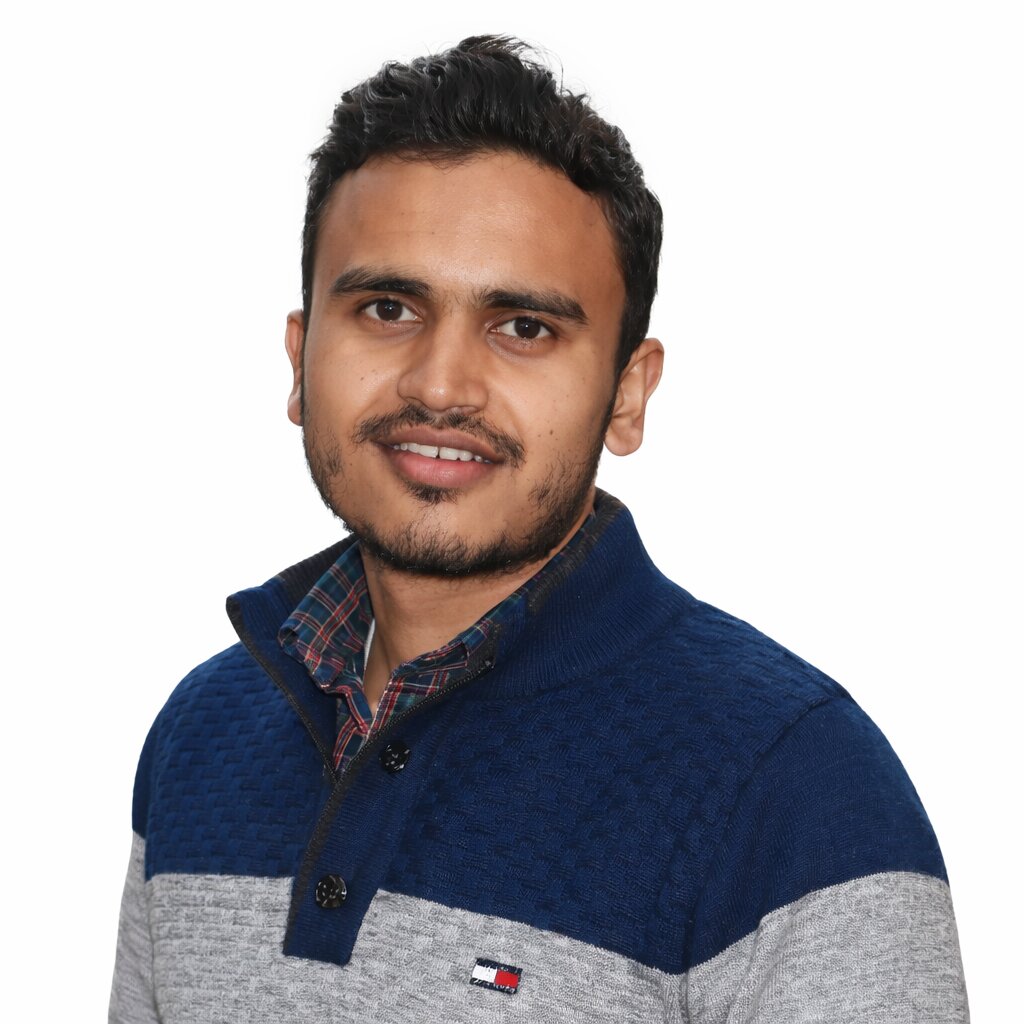
Puneet Singh Singhal
Founder & Curator
Puneet Singh Singhal, from Devli village in South Delhi, is a disability inclusion consultant. He founded and curates the Dilli Dehat Project as his passion project: an initiative exploring Delhi's transformation through the perspective of its rural settlements.
Connect on LinkedIn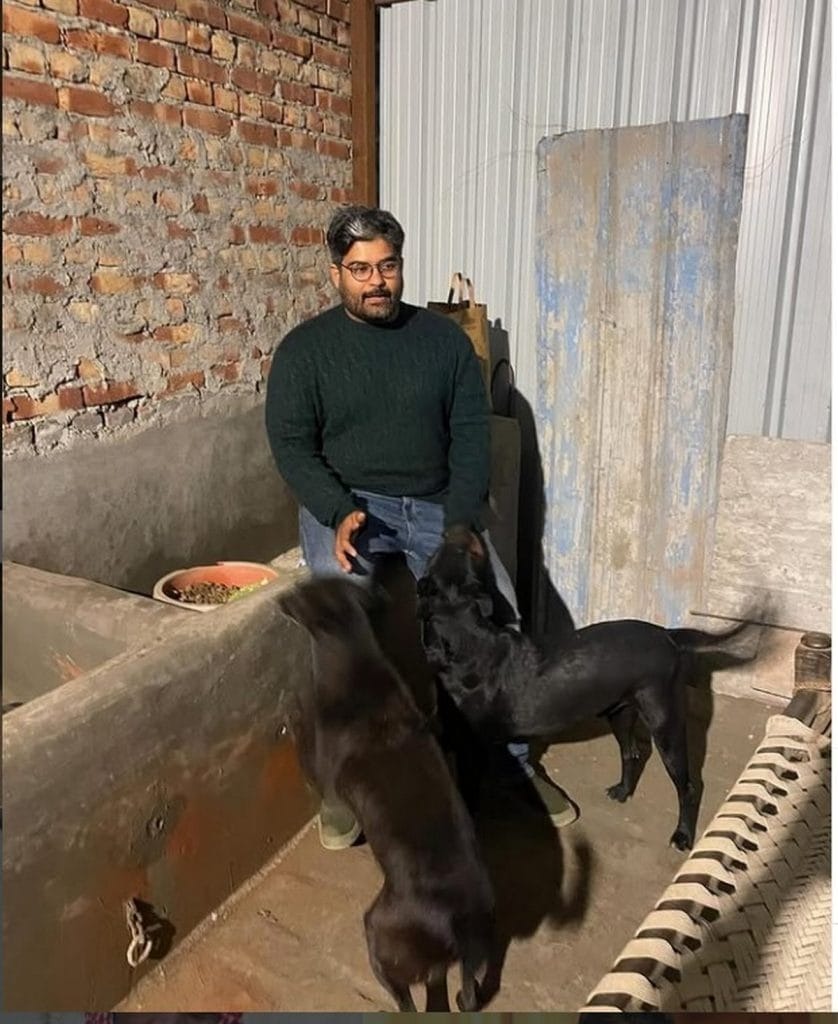
Gagandeep Singh Khadar
Co-Founder
Gagandeep Singh Khadar from Madanpur Khadar holds an LL.B. and an LL.M. in Environmental Law. He directed the documentary Please Mind the Gap, which received the Best Film Award at the Woodpecker International Film Festival (2019) and was India's official selection at the British Film Institute Flare Film Festival (2019). He is the Founder of Zails and Narayan Law Offices.
Connect on LinkedIn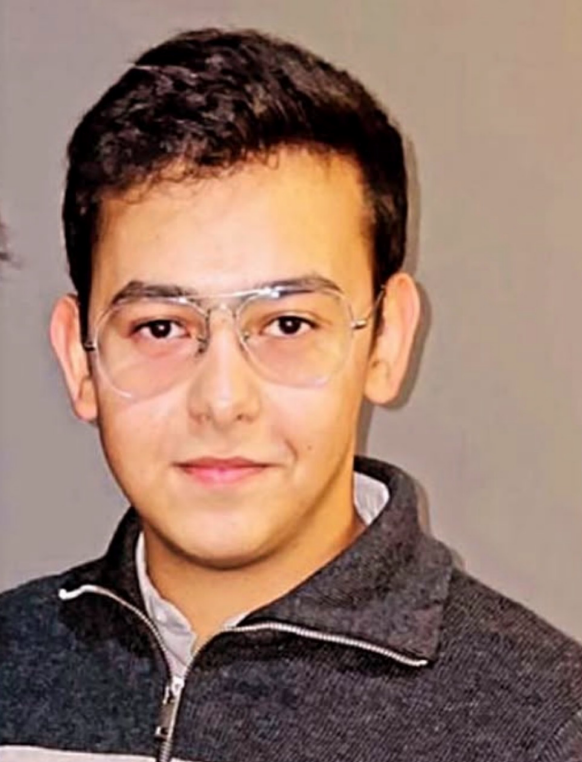
Parth Shokeen
Co-Founder
Parth Shokeen is a journalist with experience at The Times of India and a deep interest in storytelling, documentary filmmaking, and sports. He is the co-founder of the Dilli Dehat Project.
Connect on LinkedIn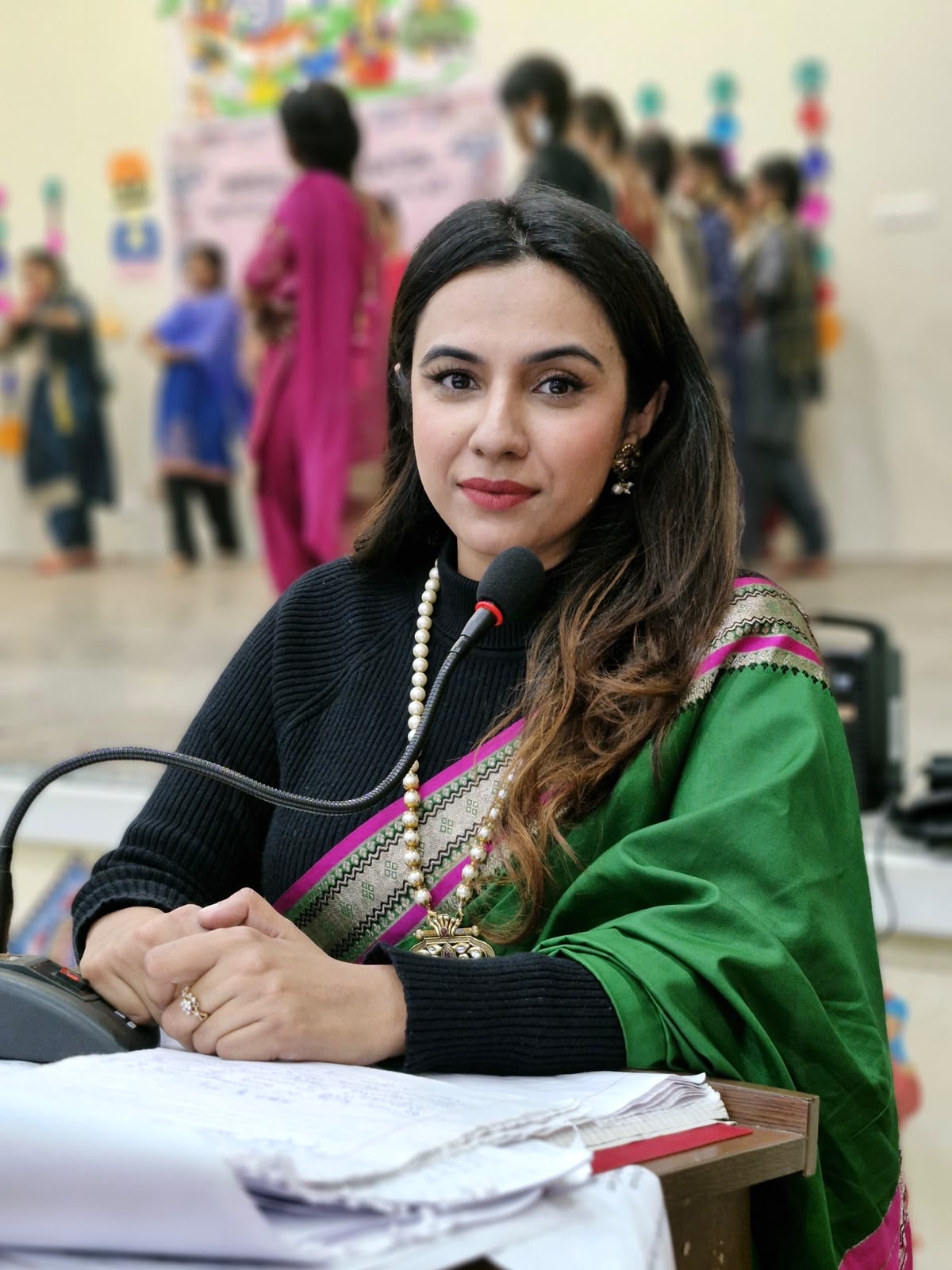
Apoorva Dabas
Educator & Heritage Researcher
An English teacher at a Delhi Government School, she is passionate about education, culture, and Delhi’s rich heritage. Her teaching goes beyond the classroom, helping students connect with the stories, traditions, and histories of the city they call home. She believes that understanding one’s heritage helps young people become its strongest custodians.
Connect on Instagram