Heritage Made Simple

Dilli Dehat Project

Dilli Dehat Project is a community-led archive and storytelling initiative that documents the rural histories, cultures, and lived realities of Delhi’s villages.

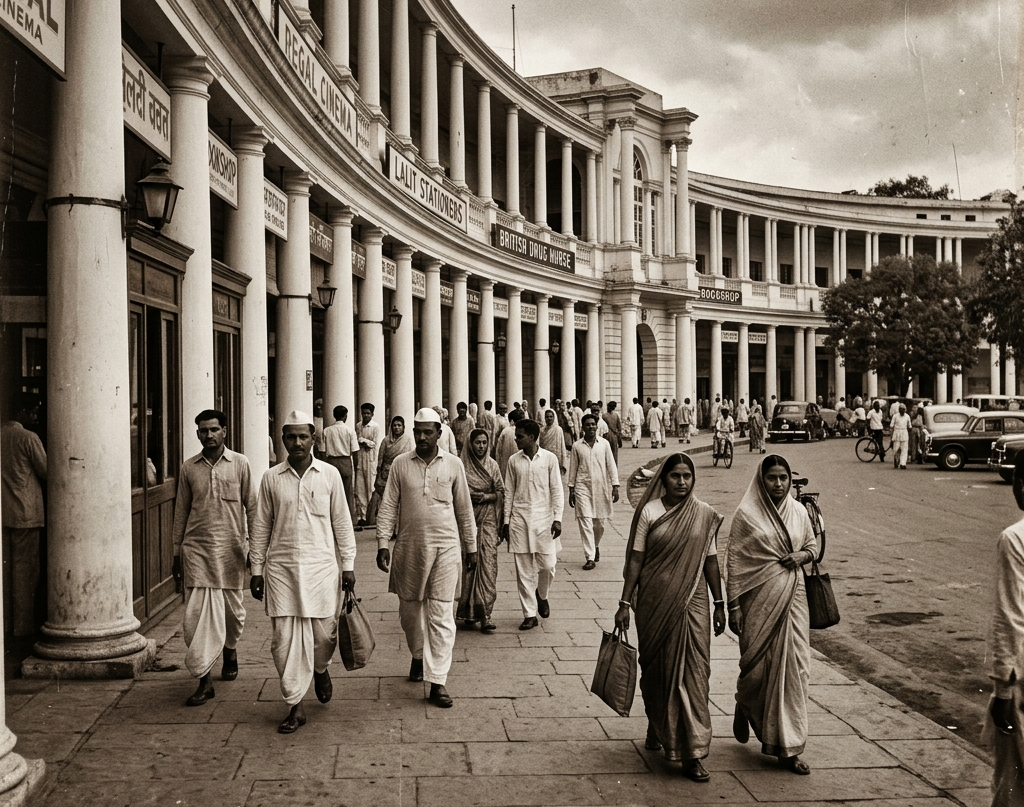
Connaught Place — the colonial circular plaza at Delhi's commercial heart
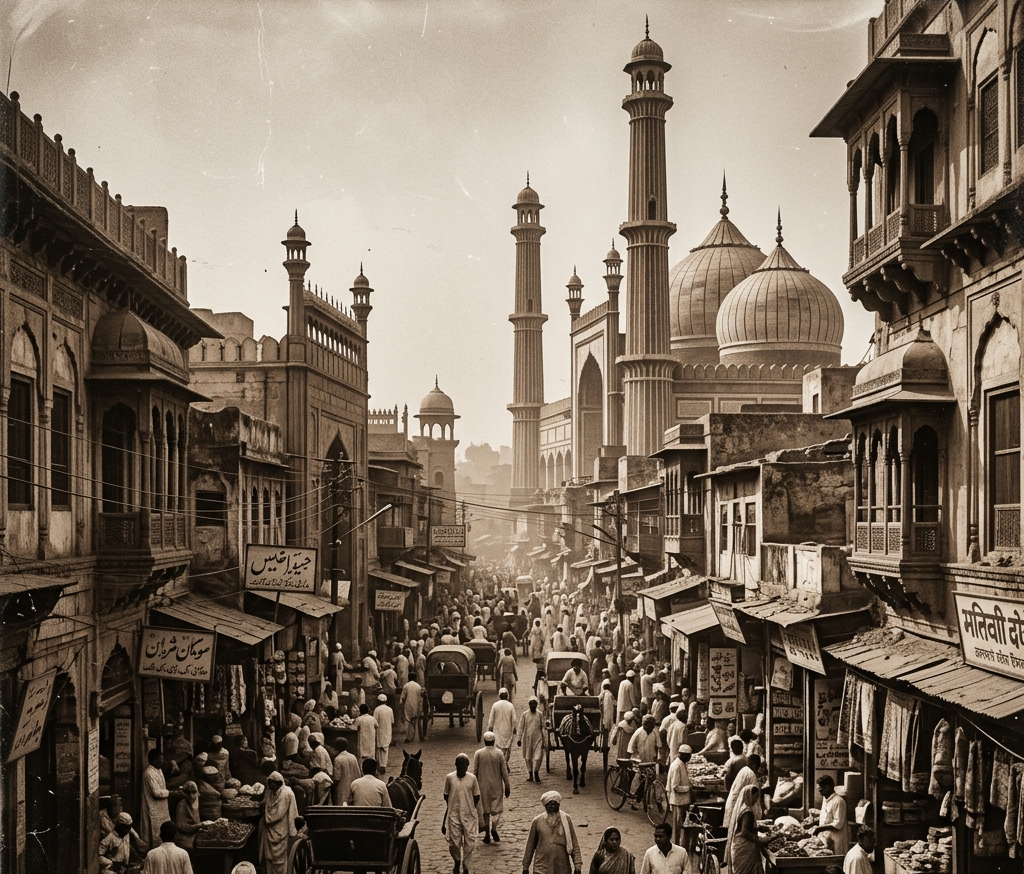
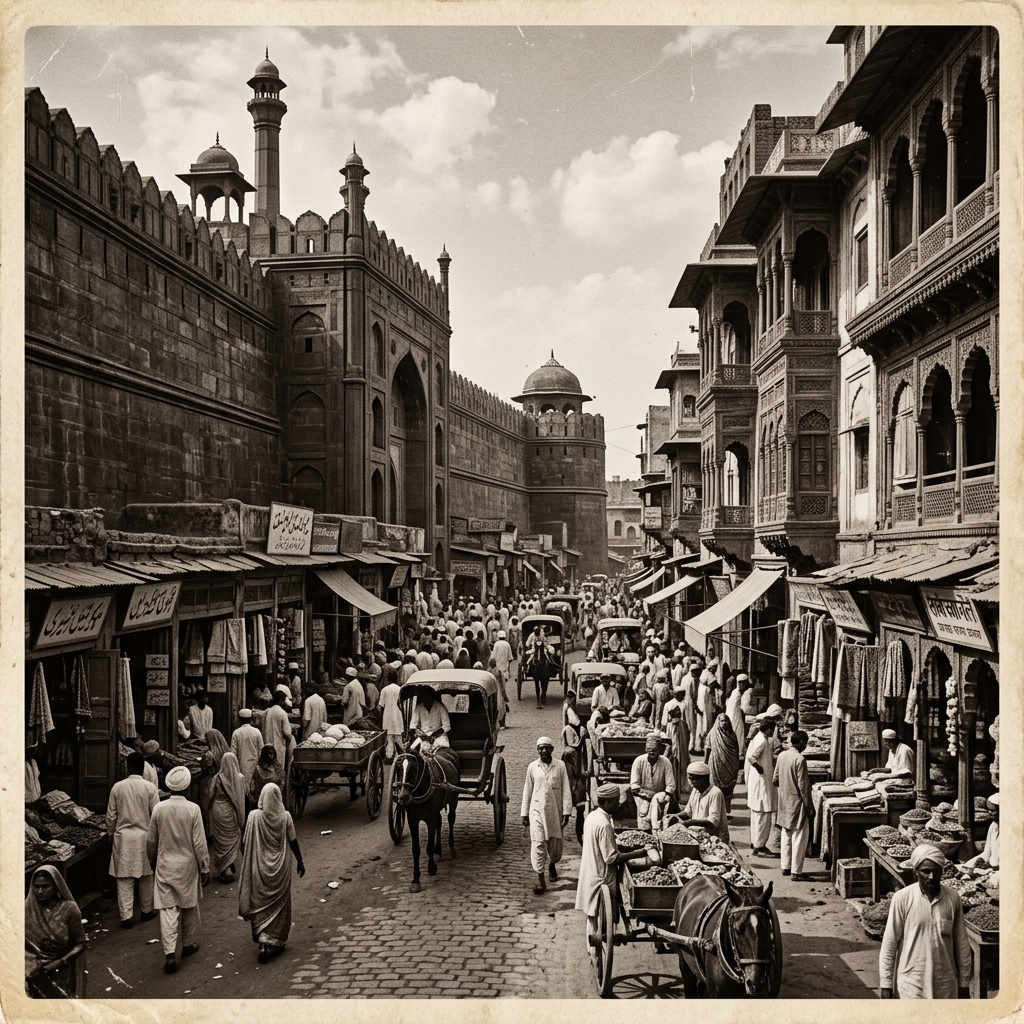
Shahjahanabad — the Mughal walled city built by Shah Jahan
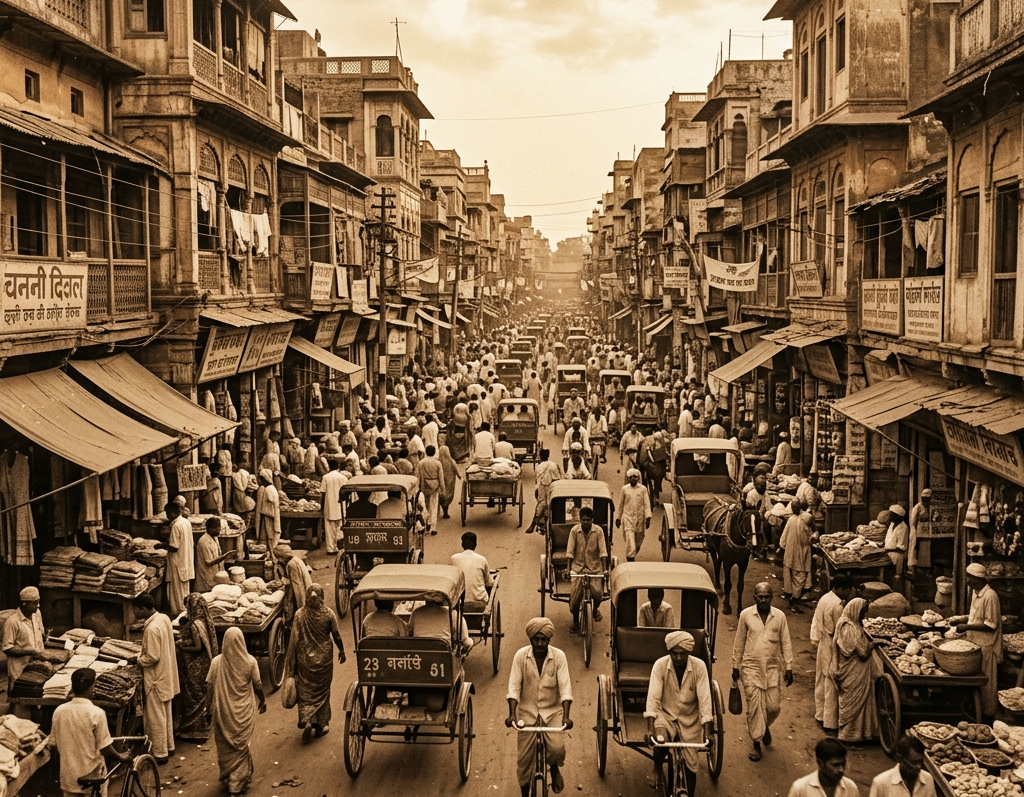
Chandni Chowk — the historic moonlit bazaar of Old Delhi
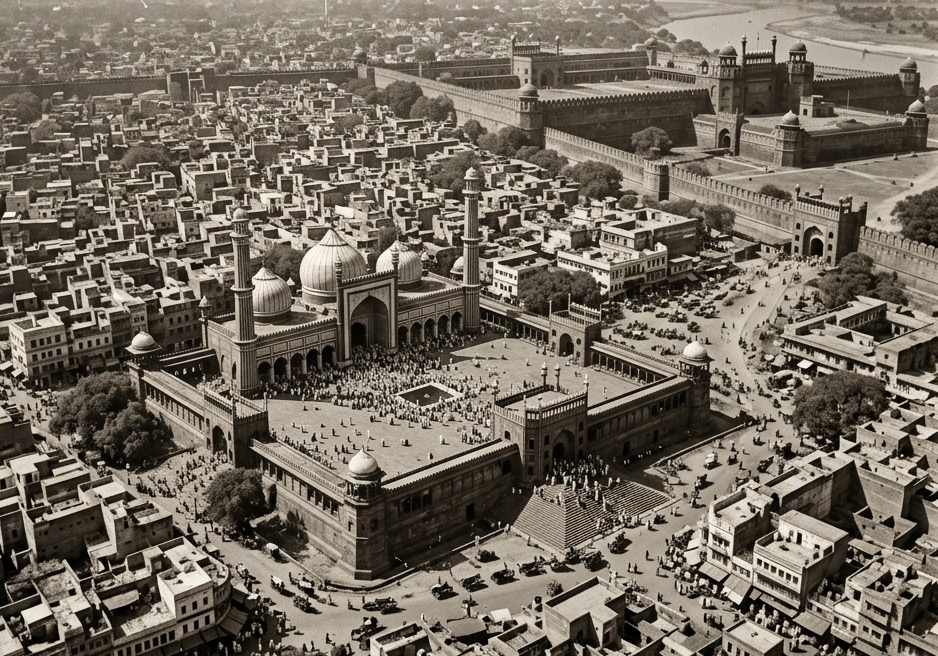
Old Delhi aerial view showing historic districts

Dilli Dehat Project

From Mughal grandeur to colonial architecture — the Dilli Dehat Project maps the rural settlements and heritage districts that shaped this ancient capital.

Shahjahanabad — Mughal walled city lanes and Red Fort

Shahjahanabad

The Mughal walled city was built by Shah Jahan in the 17th century. Its narrow bazaars and grand gates remain the cultural heart of Old Delhi.
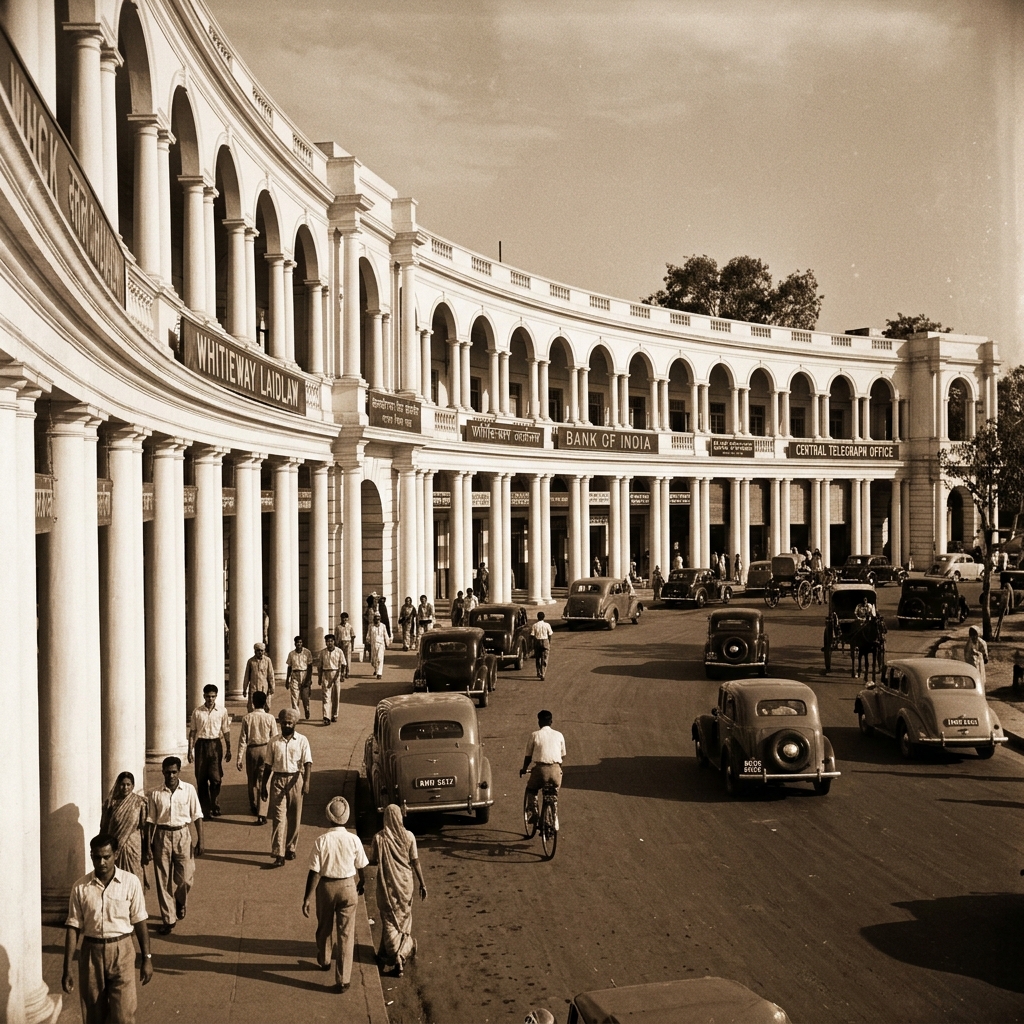
Connaught Place circular colonnaded colonial plaza

Connaught Place

Designed in the 1930s, Connaught Place became the city's modern commercial centre. Its circular plaza and colonial facades still define Delhi's civic identity.
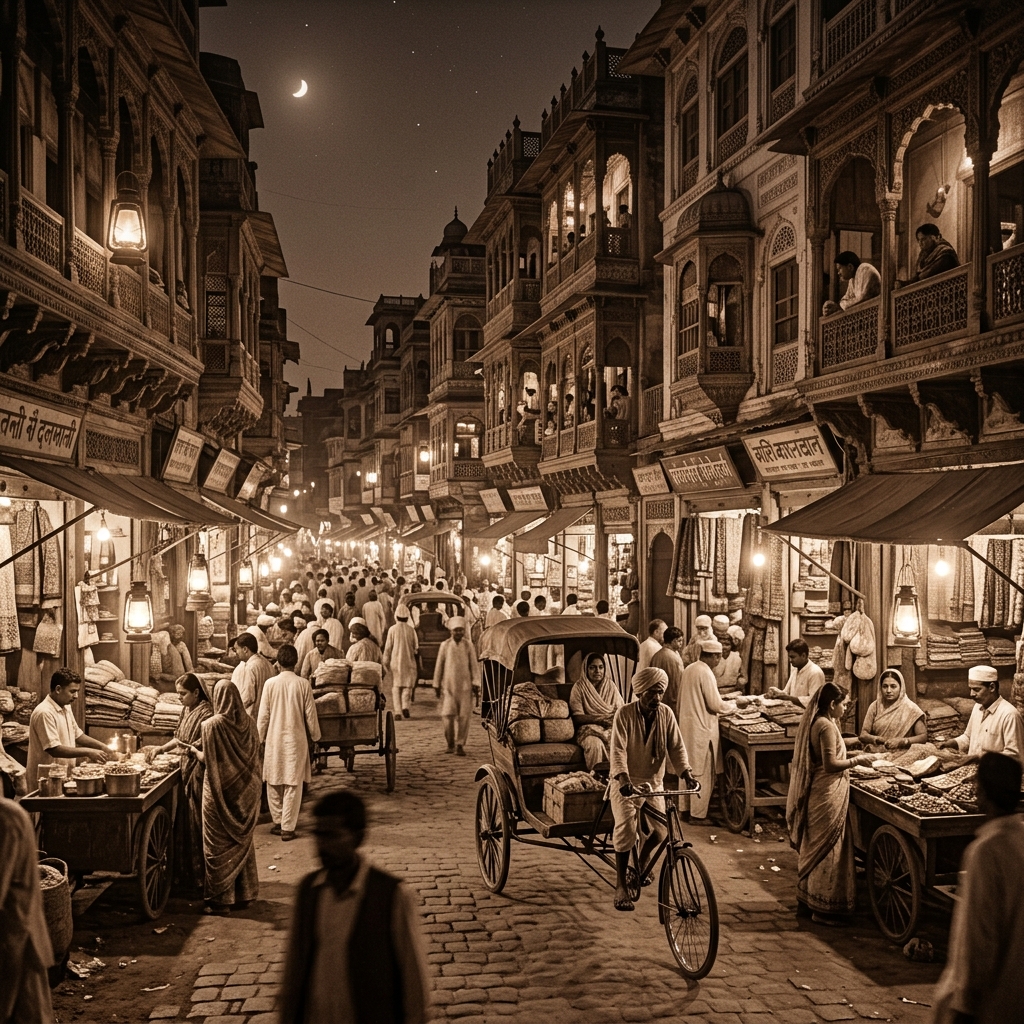
Chandni Chowk historic bazaar and market lanes

Chandni Chowk

Chandni Chowk began as a moonlit bazaar and today is known for its food, trade, and historic market lanes — one of Delhi's most evocative heritage neighbourhoods.

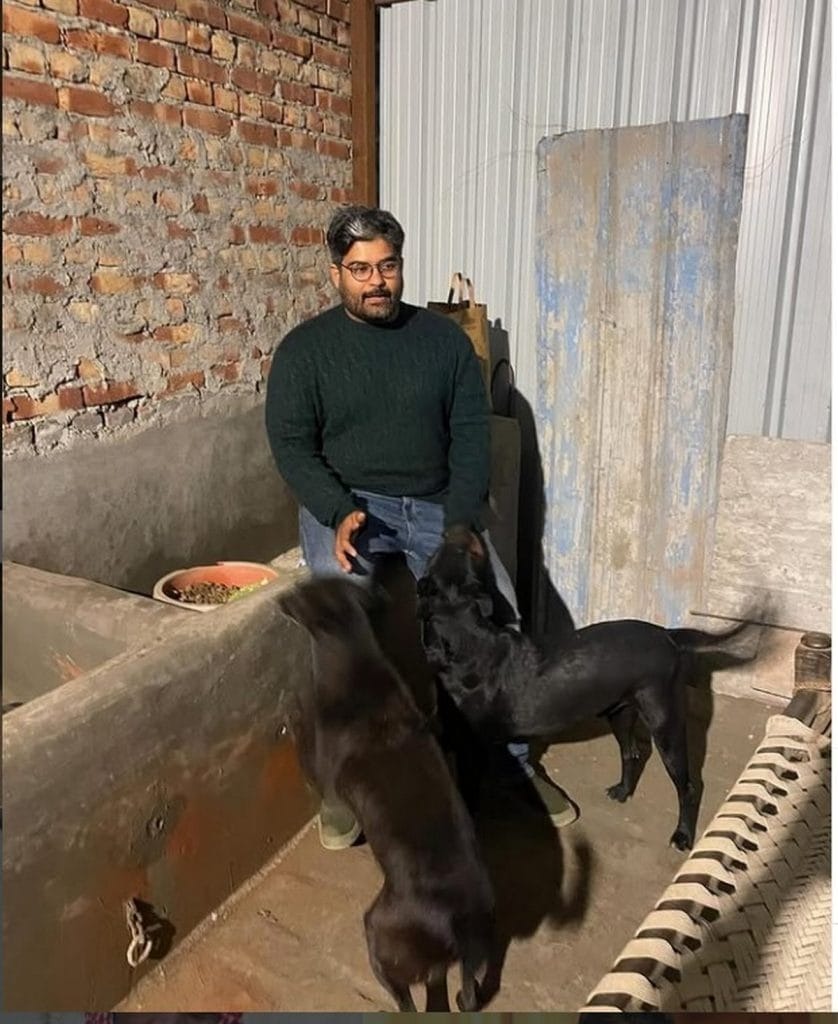
The Dilli Dehat Project

Through digital archives, public exhibitions, research, and collaborations, Dilli Dehat contributes to reimagining Delhi as not just a city of migrants, but also a city of villages.

The project also actively engages with youth and community members to co-create knowledge, ensuring that documentation is participatory, grounded, and reflective of lived experience.

Old Delhi aerial heritage view

Our Team Members

Puneet Singh Singhal, Founder and Curator of Dilli Dehat Project

Puneet Singh Singhal

Founder & Curator

Puneet Singh Singhal from Devli village in South Delhi is a disability inclusion consultant. He founded and curates the Dilli Dehat Project as his passion project: an initiative exploring Delhi's transformation through the perspective of its rural settlements.

Expertise: heritage storytelling, accessibility advocacy, cultural research.

Connect on LinkedIn
Gagandeep Singh Khadar, Co-Founder of Dilli Dehat Project

Gagandeep Singh Khadar

Co-Founder

Gagandeep Singh Khadar from Madanpur Khadar holds an LL.B. and an LL.M. in Environmental Law. He directed the documentary Please Mind the Gap, which received the Best Film Award at the Woodpecker International Film Festival (2019) and was India's official selection at the British Film Institute Flare Film Festival (2019). He is the Founder of Zails and Narayan Law Offices.

Connect on LinkedIn
Parth Shokeen, Co-Founder of Dilli Dehat Project

Parth Shokeen

Co-Founder

Parth Shokeen is a journalist with experience at The Times of India and a deep interest in storytelling, documentary filmmaking, and sports. He is the co-founder of the Dilli Dehat Project.

Connect on LinkedIn
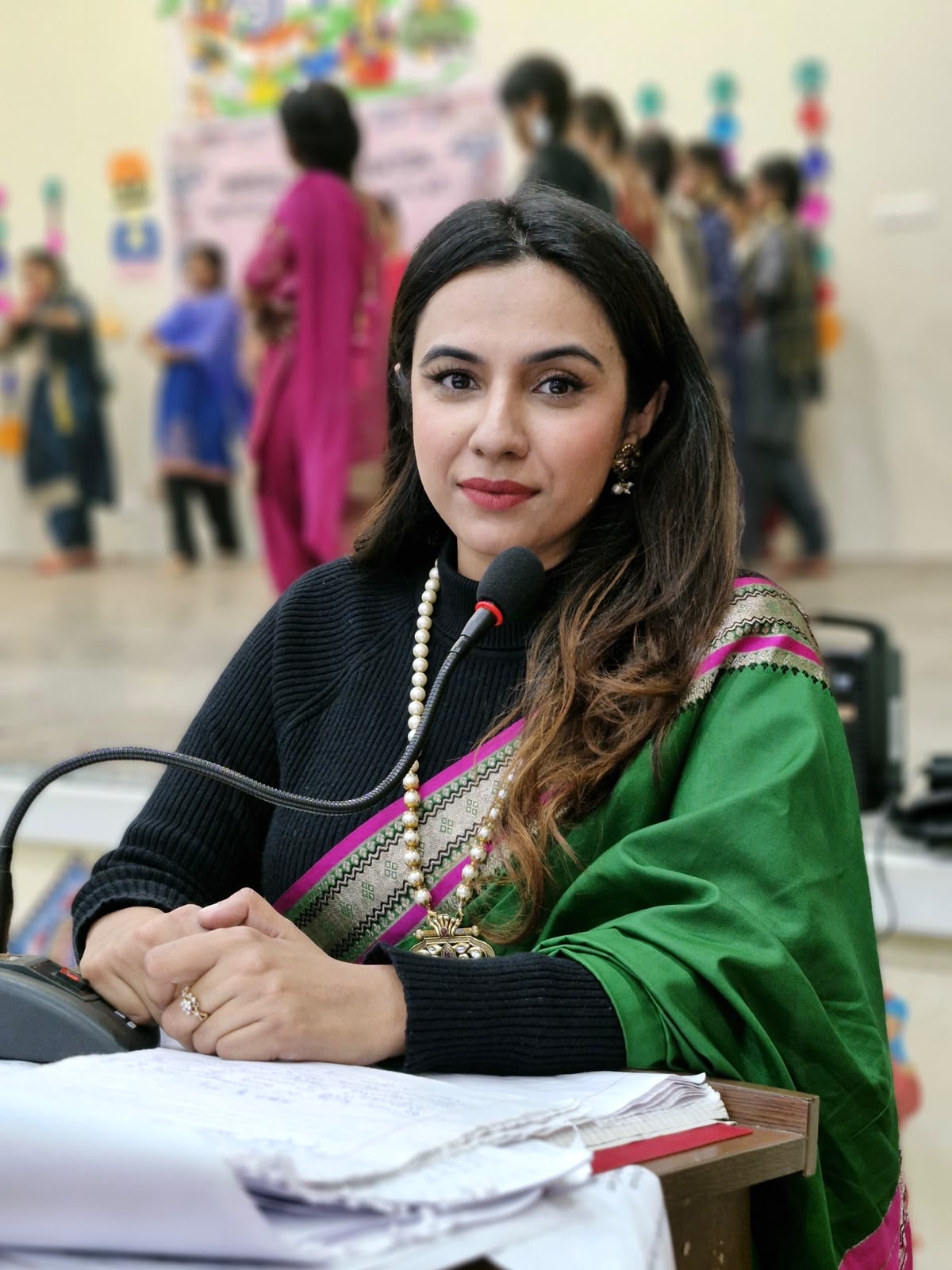
Apoorva Dabas, Dilli Dehat Project

Apoorva Dabas

Educator & Heritage Researcher

An English teacher at a Delhi Government School, she is passionate about education, culture, and Delhi’s rich heritage. Her teaching goes beyond the classroom, helping students connect with the stories, traditions, and histories of the city they call home. She believes that understanding one’s heritage helps young people become its strongest custodians.

Connect on Instagram
Delhi’s ridge was once a shared, sacred landscape. Now faith needs permission Cover
newslaundry.com

Delhi’s ridge was once a shared, sacred landscape. Now faith needs permission

It begins, as it has for generations, on a crisp Diwali morning in Devli – an urban village in south Delhi nestled between the residential colonies of Sangam Vihar and farmhouses of Chattarpur. Cauldrons bubble with dal, puris are fanned into steel trays, and elders hum bhajans to Mahamai: the village deity believed to have shielded the community through illness and upheaval for over a century. It’s the annual bhandara, a collective act of gratitude. But now, before the first flame is lit or the first offering made, there’s a question on everyone’s lips:

Read Article ▹
What Delhi’s villages teach us about development Cover
devstud.org.uk

What Delhi’s villages teach us about development

Development often asks cities to look forward. But in Delhi, looking forward without looking beneath our feet risks repeating a familiar violence: the erasure of villages that made the city possible.

Read Article ▹
What Delhi owes its urban villages Cover
nationalheraldindia.com

What Delhi owes its urban villages

A building falls in Said-ul-Ajaib. A bed-and-breakfast catches fire in Hauz Rani. In public memory, both incidents may remain attached to larger neighbourhood names — Saket and Malviya Nagar — but the precise geography matters. These are not ordinary colonies. They are Delhi’s urban villages, where old settlement patterns now carry the weight of a city that has outgrown its planned existence.

Read Article ▹